Clinical Pharmacy Services: What They Are and Why They Matter

This guide is published by the IJCPM Editorial Team for informational and professional guidance. It is an educational publication, not an academic peer-reviewed research paper, and carries no DOI. To explore peer-reviewed studies with registered Crossref DOIs, please visit our Research Articles.

When people talk about pharmacy, they often picture a counter where medicines are handed over. That is only one part of the story. Pharmacy clinical services, also known as clinical pharmacy services, focus on how medicines are chosen, used, reviewed, and monitored for each person, so that treatment is as safe and effective as possible. This guide explains what these services are, who provides them, what they include, and where they fit in hospitals and community care.
What are clinical pharmacy services?
Clinical pharmacy services are patient-centred services provided by pharmacists who work closely with patients and other health professionals. Rather than focusing only on supplying a medicine, the pharmacist looks at the whole picture: the condition being treated, other medicines being taken, allergies, kidney and liver function where relevant, and the patient’s own goals and concerns. The aim is to help each person get the most benefit from their medicines while reducing the risk of harm.
These services are a core part of modern pharmacy practice. They support prescribers, nurses, and other clinicians, and they give patients a clear point of contact for questions about their treatment. In a clinical pharmacy journal, you will often see these services discussed alongside medication safety, pharmacotherapy, and patient care, because they sit at the meeting point of evidence, prescribing, and everyday practice.
Who provides clinical pharmacy services?
Clinical pharmacy services are usually provided by pharmacists with training and experience in patient care, often working as part of a wider health care team. In hospitals, they may be ward-based pharmacists who join rounds and review patients’ medicines on admission, during their stay, and before discharge. In community and primary care settings, they may work in pharmacies, clinics, or general practice teams, supporting people with long-term conditions.
Whatever the setting, good clinical pharmacy practice depends on communication. Pharmacists explain treatment in plain language, listen to what matters to the patient, and share relevant information with the rest of the care team, with the patient’s consent and within local policies. They do not replace medical advice from the patient’s own clinician, but they add a specialist medicines perspective that can help prevent problems before they arise.
Types of clinical pharmacy services
Clinical pharmacy services take many forms, and the exact mix depends on the setting and the needs of the people being cared for. The services below are among the most common.

Medication review
A medication review is a structured check of all the medicines a person is taking. The pharmacist looks for medicines that may no longer be needed, doses that may need adjustment, possible interactions, and any duplication. The review also considers whether each medicine is still helping, whether the person is able to take it as intended, and whether anything important is missing. The result is usually a set of suggestions for the prescriber to consider, discussed with the patient first.
Medication therapy management
Medication therapy management is a broader, ongoing service for people with complex medicine regimens or several long-term conditions. It often includes a detailed review, a personal medication record, a plan agreed with the patient, and follow-up to check progress. The focus is practical: helping people understand why they take each medicine, how to take it, what to watch for, and when to seek further advice.
Anticoagulation support
Anticoagulant medicines, which help prevent harmful blood clots, need careful management because the balance between benefit and bleeding risk can be narrow. Anticoagulation support may include checking test results where relevant, reviewing interacting medicines, counselling patients about diet, procedures, and warning signs, and helping to keep treatment consistent when care moves between hospital and community settings.
Patient counselling
Patient counselling is one of the simplest and most valuable parts of clinical pharmacy services. It covers how and when to take a medicine, what it is for, common side effects, what to do if a dose is missed, and how to store medicines safely. Good counselling also invites questions. When patients understand their treatment and feel able to raise concerns, they are more likely to use medicines safely and to tell their care team about problems early.
Formulary and safety work
Behind the scenes, pharmacists also support safer systems of care. Formulary work involves helping organisations choose which medicines to stock and use, based on effectiveness, safety, and cost, and keeping that list up to date. Safety work includes checking prescribing and dispensing processes, learning from incidents and near misses, and supporting guidelines that reduce variation in care. This work may not be visible to patients, but it shapes the safety of every prescription.
Clinical pharmacy services in hospitals
In hospitals, clinical pharmacy services are closely linked to ward care. Pharmacists may take a detailed medicines history when a patient arrives, so that regular medicines are not accidentally stopped or changed. During the stay, they review new prescriptions, monitor for side effects and interactions, and help adjust doses as a patient’s condition changes. Before discharge, they check that the discharge prescription is clear, that the patient understands any changes, and that information is shared with community pharmacists and primary care teams.
Clinical pharmacy services in community care
In community care, pharmacy clinical services are often the most accessible form of medicines support. Community pharmacists see people regularly, sometimes over many years, and can spot changes that might otherwise be missed. They can review medicines for people with long-term conditions, support adherence by simplifying regimens or addressing side effects, and advise when a person should seek further medical care.
Community services also include practical help: explaining inhaler or injection technique, checking that a person’s medicines are stored safely at home, and supporting people after a hospital discharge when regimens have changed. Because community pharmacists are easy to reach, they can act as an early warning system, helping patients and prescribers address small issues before they become larger problems.
Why clinical pharmacy services matter
Medicines are among the most widely used treatments in health care, and they are also a common source of preventable harm when regimens are complex, doses are unclear, or information is not shared. Clinical pharmacy services matter because they bring a dedicated medicines focus to each patient’s care. They help ensure that prescriptions are appropriate, that patients understand their treatment, and that the care team has a complete and up-to-date picture of what a person is actually taking.
For patients, the benefit is personal: clearer information, fewer surprises, and a professional who can answer medicines questions in context.
This guide is general information only. It describes how clinical pharmacy services are commonly organised; it is not medical advice for any individual, and anyone with questions about their own medicines should speak with their own pharmacist or clinician.

Conducting Original Clinical Research?
Submit your empirical manuscript to International Journal of Clinical Pharmacy and Medicine. Benefit from rigorous double-blind peer review, Crossref DOI indexing, open-access distribution, and rapid editorial decisions.
 Guides
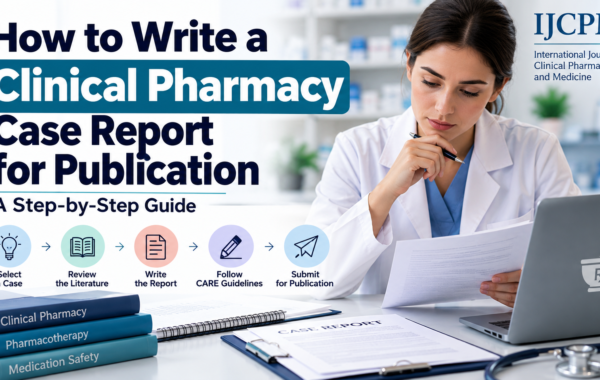
How to Write a Clinical Pharmacy Case Report for Publication: A Step-by-Step Guide by IJCPM
A practical guide for clinical pharmacists, pharmacy students, and healthcare researchers Clinical pharmacy case…
 Guides
How to Become a Clinical Pharmacist: A Complete Guide
If you enjoy science, patient care, and problem-solving, learning how to become a clinical…
 Guides
Clinical Pharmacy Journal: A Complete Guide
What Is a Clinical Pharmacy Journal? If you are a pharmacy student, a working…